
Our world is growing increasingly nihilistic towards inventions. Imaginations of technology were once a source of optimism about a better future; now they have become a source of fear about humanity's doom. Everything is online; we don't get to own anything — we pay for conveniences, feed into the cycle of 'middleman' services, and the responsibility for preserving the internet falls into the hands of middlemen driven by financial incentives. Content could be lost to time if it becomes unprofitable. Alternate Reality Products aims to reignite excitement for technology while combating the growing trend of digital feudalism.
Presented in an e-showroom format, the website serves as a window into another world. Inspired by the optimism of retrofuturism, A.R.P. introduces five familiar tech products with a similar vibrant aesthetic. Beyond the design, each product challenges the position of the middlemen, reimaging what a technology industry can look like without the takeover of live services.
I always wanted to learn 3D modeling. It will unlock many more possibilities to present my ideas. So I told myself, either I learn how to model, or I fail my graduation project. Collecting learning materials, practicing with early iterations, setting milestones, pivoting plans, and overcoming setbacks.
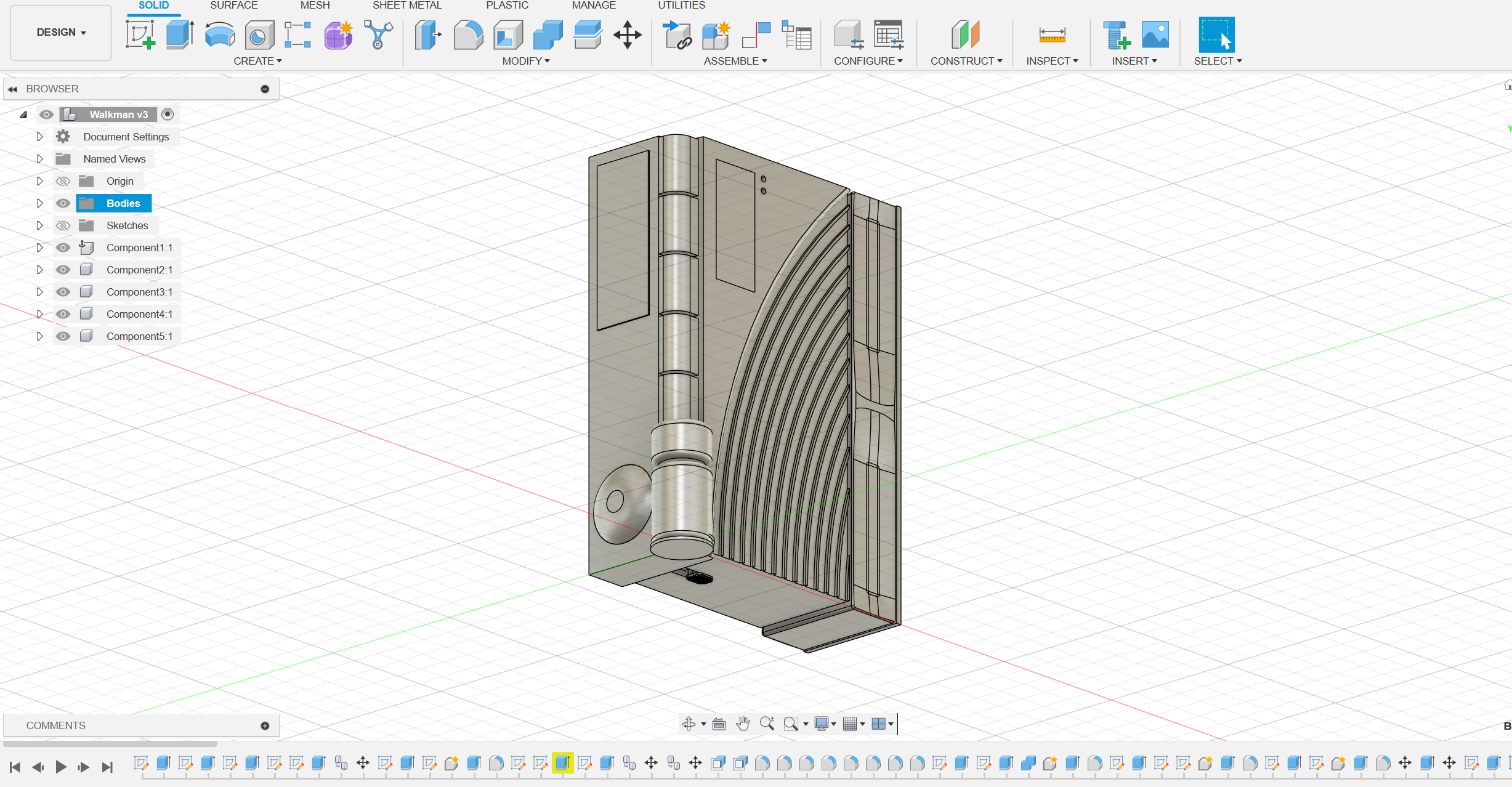
The concept and design went through many iterations. At first, I wanted to create memorial historical relics using quintessential designs. For example, designs like screwdrivers, cups, flashlights, or battery banks are timeless designs. I would engrave internet history onto them, and they would be passed down subconsciously. But as my concept evolved, it became complex and challenging for me to achieve. What language should I record in? How should I compress information? How do I ensure the future can access it? It's unpredictable information. I will likely be wrong. So I pivoted my intentions. I still wanted to talk about internet history, but this time I focused on the present.
There were emerging discussions about owning digital media, the return of piracy, and the role of retrospective technologies. Given my theme of addressing the lack of preservation in internet history, I wanted to contribute to this discussion with my own ideas. Many pieces of content and media are lost due to errors in cloud services. The beauty of the internet's immortality is the ability to make copies. Preservation shouldn't fall to a single entity; it should be preserved as a unity. The subconscious preservation of data by every user is what keeps the internet from ever forgetting.
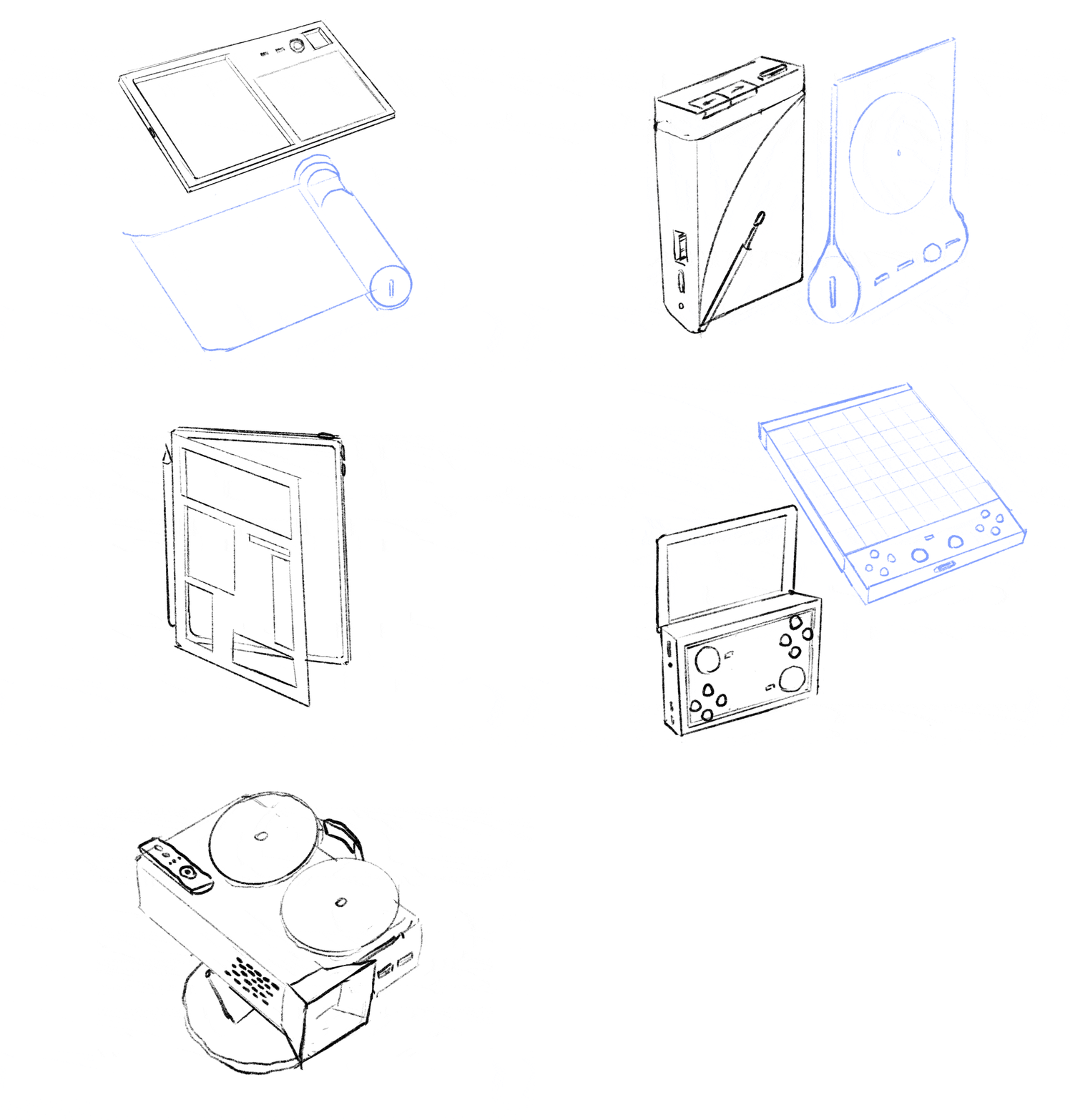
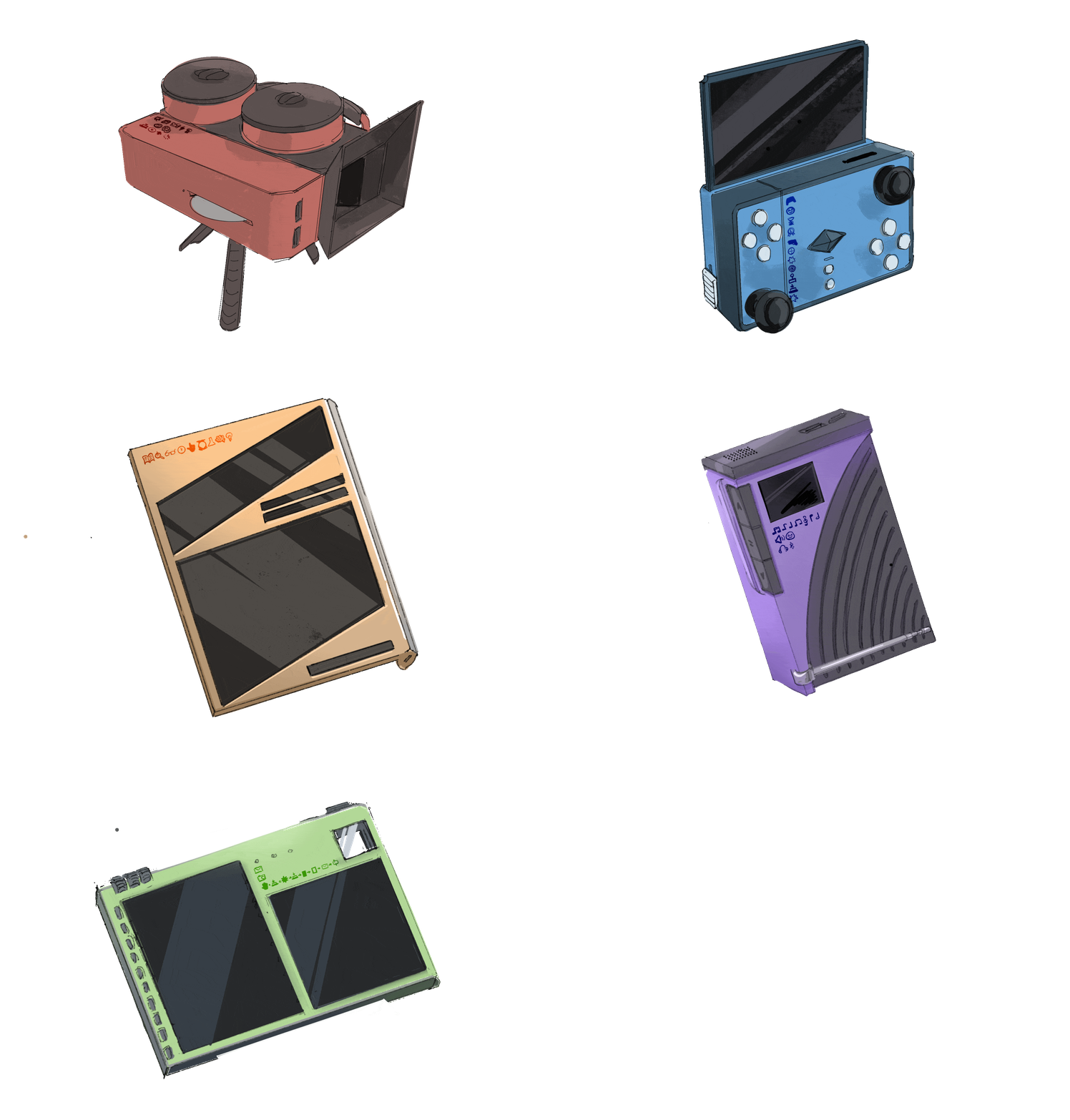
I wanted to capture that sense of preservation. Letting everyone contribute once again. But given how competitive our current reality is, maybe these concepts will never come true — doesn't that just make these alternatives even more exciting? Perhaps someday.